Blog Archives

Categories

All Posts in Bookkeeping

March 24, 2025 - No Comments!

What Are Expenses In Accounting? Types And Examples

types of expenses

Try to include enough data to spot seasonal trends and long-term patterns. Group similar expenses together (utilities, rent, insurance, etc.) and create subtotals for each category to understand which areas consume the most resources. During recent economic disruptions, companies with strong operating expense management were able to adapt more quickly than their peers. They knew exactly which expenses could be reduced without damaging core capabilities and which investments needed to continue despite financial pressures. This category includes advertising costs across various channels, marketing campaign expenses, sales team salaries and commissions, trade show participation fees, and promotional materials. For example, the cost of running Google Ads, hiring a content marketing agency, or paying your sales team’s commissions all fall under selling expenses.

  • She holds a Bachelor’s in Finance and Master’s in Business Administration and previously worked for Vanguard, where she held Series 7 and 63 licenses.
  • There are numerous apps and tools available today that can assist you in managing your expenses.
  • Personal budgeting categories include all categories that aren’t ‘essential,’ but you still need to spend in them to manage everyday life.
  • Cost of goods sold (COGS)—direct costs attributable to the production of goods sold—appear separately on income statements.
  • When done correctly, outsourcing can reduce costs while improving quality through specialized expertise.
  • They provide you with spending limits according to the budget you set in your cash envelope categories.
  • Companies with significantly higher ratios than industry peers may have opportunities for cost optimization.

Key takeaways: Monthly expenses

I’ll also answer a few of the most common questions about budgeting, budget categories, and budget methods, as well as give you some alternatives to track your spending. Creating a budget is a personal process, and categorizing all of your expenses can feel complicated. Every dollar should be tracked and accounted for if you want to maximize your income.

types of expenses

Cybersecurity Education in 2026 with Real-World Examples and Current Guidance

This predictability aids in planning your budget, as you can anticipate these payments without surprises. Businesses are allowed to deduct certain expenses to help alleviate their tax burden. However, if you have questions about what’s deductible, it’s typically a good idea to consult with a tax expert. Businesses are allowed to write off tax-deductible expenses on their income tax returns to lower their taxable income and thus their tax liability.

types of expenses

Types of business expenses

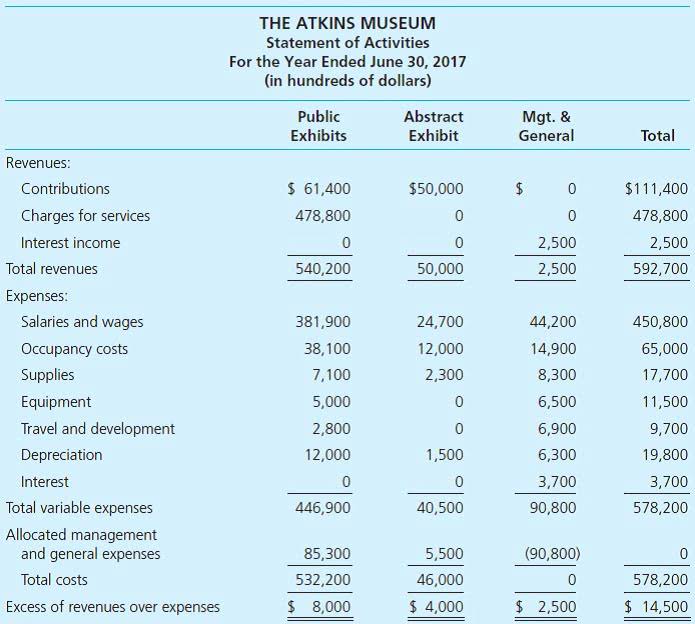
For example, when a company receives an invoice for services, it’s recorded as an expense, impacting the income statement and overall profitability. Expenses are a critical component of a company’s financial statements, representing the costs incurred to generate revenue and operate the business. Fixed expenses are costs that remain the same even if the business production or sales increase, whereas variable expenses are costs that vary with the level of production or sales.

Expenses are recorded after they are paid under cash basis accounting. Expenses are recorded as they are incurred under the accrual system, in https://www.bookstime.com/ contrast. Variable expenses change regularly, typically because of increases or decreases in a company’s production. Variable costs include payroll for hourly employees, commission on sales, utilities, shipping costs, and certain raw materials. Essentially, if the cost isn’t exactly the same each time, it counts as a variable expense.

Small Business Tax Forms

When negotiating, focus on creating win-win situations rather than simply demanding price reductions. For example, you might offer longer contract terms or faster payment in exchange for better pricing. Consider using a professional procurement specialist for high-value contracts if you lack internal expertise. Regular reviews through spend analysis—collecting, cleansing, classifying, and analyzing spending data—are proven methods to spot inefficiencies and identify cost-saving opportunities. Our mission is to empower you with the knowledge and tools you need to create functional, organized spaces that promote productivity and well-being. Through meticulously crafted articles, guides, tutorials, and product reviews, we aim to inspire and inform, helping you make informed decisions that align with your lifestyle goals.

types of expenses

Financial Reconciliation Solutions

Consider setting limits or opting for less costly options, such as dining at home or reducing subscription services. Monitoring your spending habitually can provide insights into where your money goes. Utilize budgeting apps or a simple spreadsheet to keep track of your purchases. To maximize these benefits, consider using budgeting tools or apps that allow you to track, categorize, and visualize your expenses. Developing a habit of regularly reviewing your expenses ensures you stay on top of your financial game. Lastly, you can even make your bookkeepers or accountants, or CPAs a part of your Deskera Books account by giving them access through an invitation link.

Accounts Receivable Solutions
types of expenses

If you’re in the process of learning how to make a budget, it’s important to begin creating budgeting categories. You’ll see where you overspend, and with the help of Qube, not be able to overspend because you’ll have limits for each category. It’s one of the best ways to transform your spending behaviors, save money, types of expenses and ensure you stick to a budget long-term. Everyone has different budgeting categories, but overall, there are some similarities. For example, everyone lives somewhere (has housing expenses), and everyone has to eat (food budget expenses).

Revenue Recognition

  • It also ensures accurate reporting, faster approvals, and improved cash flow visibility—all in one place.
  • This is because while interest is the cost of borrowing money from a creditor or a bank, they are not generating any operating income.
  • Yes, a salary is considered an expense and is reported as such on a company’s income statement.
  • For businesses seeking to understand their expense structure, the operating expense ratio (OER) provides a useful metric, comparing operating expenses to revenue.
  • Before outsourcing any function, conduct a thorough cost-benefit analysis comparing in-house expenses (including salaries, benefits, equipment, and management time) against outsourced costs.

This involves assigning every expense to a predefined category that makes sense for the business and complies with accounting principles. Well-organized records can streamline tax preparation, facilitate audits, and provide a clear view of the business’s financial health. Dive into the concept of expenses, their types, and significance in budgeting and financial planning, crucial for managing personal finances effectively. For instance, if a corporation employing the cash basis schedules a carpet cleaner to clean the carpets in the office, the expense is recorded when the invoice is paid.

Implementing Technology in Expense Management

Cost accounting isn’t just about creating a list of expenses but also about determining where a company earns and loses money. Generally speaking, an expenditure is the total cost of a transaction, while an expense is that transaction’s offset to a company’s revenue. Prepaid expenses are transactions the company has already paid for before receiving the product, good, or service. For example, if a company prepaid for a shipment of payroll raw materials, but the supplier hasn’t delivered the materials yet, the amount paid is a prepaid expense. The easiest way to track your budget from month to month is to use an app or software that will track your spending automatically.

October 4, 2024 - No Comments!

Net Credit Sales: Definition, Formula & Calculation

Find the ideal accounting solution for your business. Moreover, integrating an automated invoice platform like InvoiceOwl streamlines the invoicing process and tracks payments in real-time. This ensures that an organization can effectively manage outstanding payments and avoid liquidity issues. Ensure to review overdue accounts and follow up with quick payment reminders. Assess the outstanding invoices by maintaining an organized accounts receivable system. The balance sheet will showcase the increase in account receivables, but not cash.

It allows customers who are struggling with cash flow problems or tight budgets to buy from you without a significant upfront cost. By offering flexible credit, you increase your chances of making a sale by appealing to new customers across a broader range of financial situations. Accounts receivable are the amounts owed to a company by customers who have purchased goods or services on credit and have not yet paid for them. On the other hand, a low ratio suggests that the company may be experiencing delays in collection, potentially leading to cash flow problems and higher bad debt expenses.

The company is inefficient at converting sales on credit to cash in hand, particularly when the average collection period is longer. It is calculated by dividing the number by net credit sales and then multiplying it by the number of days in the year. The record of credit sales is typically under accounts receivable.

Cash Flow Management

By reviewing net credit sales, you can get a sense of the company’s performance, helping you make smarter decisions for its future. To find net credit sales, first look at total sales. To find credit sales, you need to take total sales and subtract cash sales from them.

Credit Sales: Definition and Importance in Accounting

Companies need to establish clear credit policies, including credit limits, payment terms, and collection procedures. Managing Accounts Receivable effectively is crucial for maintaining a healthy cash flow. It is an essential part of the company's working capital, providing liquidity and supporting ongoing operations. For example, if you sold 100 units at 10 dollars each, your total sales would be 1,000 dollars.

Net Credit Sales and Risk Assessment

Tracking net credit sales is essential, but it’s just one piece of the puzzle. Net credit sales provide reliable data for insight equity financial statements, ensuring accuracy and compliance. You can often find sales data in a company’s income statement or the revenue part of its financial statements.

This data is usually found in a company’s financial statements or can be obtained from the accounting department. It provides valuable insights into a company's financial net credit sales health and its potential for growth. The customers promise to pay for the goods or services at a later date, typically within 30 to 90 days.

  • Calculating net credit sales helps you analyze actual earnings from credit transactions and assess your financial health by closely monitoring your cash flow.
  • To stay afloat, you must secure loans (if your credit rating doesn’t get in the way) or reduce operations.
  • Net Credit Sales are a crucial metric for businesses that sell goods or services on credit.
  • Let’s walk through the challenges of credit sales and some strategies to mitigate them.
  • It's the starting point in calculating Net Credit Sales and a fundamental indicator of your sales team's performance and market demand for your products or services.
  • Platforms like QuickBooks, Xero, and FreshBooks offer a centralized hub for all financial data.

Sales Discounts: Incentivizing Timely Payments

All these points work together to boost the company’s financial performance. This information helps to see how well a company can meet its short-term needs and manage its operations. They show how much trust customers have in paying later. You can connect with a licensed CPA or EA who can file your business tax returns.

The receivables turnover ratio measures a company’s ability to effectively collect outstanding payments from customers. The increased revenue and customer loyalty resulting from credit sales can provide businesses with a solid foundation for growth and expansion. It includes all credit sales made during a specific period, regardless of whether the customers return any goods or receive any allowances or discounts. This is because net sales are computed after gross sales are subtracted from the total of sales returns, discounts, and allowances. If net credit sales are zero, it means that the company’s credit sales exactly offset the returns and discounts.

While there are some risks, you can minimize them with proper preparation, planning and technology – reaping benefits like winning more deals. These tasks often demand time and effort you could otherwise spend on revenue-generating activities, like nurturing high-quality leads. Pricing may vary depending on the credit check provider and the level of detail in the report. With each month that passes, your debt incurs interest and late payment fees. The credit sale eliminates the risk of losing the deal. To differentiate itself from competitors and appeal to potential clients, it offers the best credit terms on the market.

Unlike returns, the customer keeps the product or service but receives a partial refund to compensate for the issue. Sales Allowances are price reductions granted to customers due to issues such as damaged goods, minor defects, or service discrepancies. Effectively managing Sales Returns is critical for protecting your revenue and maintaining customer loyalty. These returns directly decrease Net Credit Sales and can indicate issues with product quality, inaccurate product descriptions, or customer dissatisfaction. Sales Returns occur when customers return purchased goods for a refund or exchange. Net Credit Sales provides a far more accurate picture of a business's financial health than Gross Credit Sales alone.

  • It showcases the money owed by customers to the company for products or services delivered but not yet paid for.
  • Explore 66+ custom invoice templates and let your business take advantage of the best invoicing.
  • In a competitive market, offering credit sales can be a strategic advantage.
  • Credit sales are one of the ways to improve customer satisfaction by providing flexibility in payments.
  • Net Sales, on the other hand, are Gross Sales minus any returns, discounts, or allowances.
  • Gross Sales represent the total revenue generated from all sales transactions, both credit and cash, without any deductions.

How Matt Passed the CPA Exams in 5 Months with No Accounting Experience

Net credit sales provide a clear difference between sales returns and sales allowances. Using net credit sales provides a more accurate reflection of how well the company converts its receivables into cash, offering a clearer measure of collection efficiency. Net credit sales represent revenue generated from credit transactions, which are reflected as accounts receivable on the balance sheet until the payments are collected. One key component often overlooked is net credit sales, which represents sales where customers agree to pay on a later date.

That’s the time during which the business could be reinvesting in itself, paying down debts, or otherwise addressing its own financial obligations. It’s not unusual for businesses to give clients 30 days or longer to pay for a product or service. In other words, how much do you generally maintain in outstanding customer payments? To calculate the ratio, you’ll need to know the balance of your average accounts receivable. He is also an educational consultant who coaches students to equip with relevant knowledge on entrepreneurship and helps them to set up small-scale and freelance businesses.

Finding Net Sales is crucial for businesses as it provides a clear picture of their total revenue, enabling them to assess the overall performance and success of their core operations. Managers, investors, and creditors see how effective the company is in collecting cash from customers. A high DSO value illustrates a company is experiencing a hard time when converting credit sales to cash. Days Sales Outstanding (DSO) represents the average number of days it takes credit sales to be converted into cash or how long it takes a company to collect its account receivables. If your customers are going to pay you through credit or debit cards, you have to subtract the bank account processing charge from the net amount of the credit sales.

This can ultimately lead to increased customer loyalty and higher levels of net sales over time. Also, factoring in sales allowance is the reduction of potential bad debts, providing a more accurate picture of a company's performance. This data helps in evaluating the effectiveness of credit arrangements and sales performance. Save time with automated accounting—ideal for individuals and small businesses. Affiliate or co-branded solutions for your customers.

A low ratio may indicate issues with collecting payments, while a high ratio could signify aggressive sales strategies. When sales increase, more credit goes out, affecting timely payment collection. Gross sales don't consider returns or discounts.

Maintain a comprehensive record of all communication with customers. CRM systems store customer payment history, providing valuable insights into payment behavior. These solutions automate critical tasks like invoicing, payment tracking, and financial reporting, saving valuable time and resources. From automated accounting systems to specialized CRM software, the right tech stack can streamline operations, minimize errors, and improve overall financial performance. The Credit Manager may also work with legal counsel to pursue legal action against customers who fail to pay their debts. This includes setting credit limits, establishing payment terms, and defining collection procedures.

July 16, 2024 - No Comments!

What Is Finance: Definition, Types, and Importance

Remember, running out of cash is the number one reason why startups fail. By estimating your runway and taking action to extend it, you can ensure your financial health and survival. Runway is a crucial metric for any business, especially for startups and entrepreneurs. You can do this by pitching to investors, applying for grants or loans, or crowdfunding from your fans or supporters. You also need to take action to extend your runway and avoid running out of cash.

  • Too high a burn rate can lead to financial instability, while a too-low burn rate might indicate underinvestment in growth.
  • Finance involves borrowing and lending, investing, raising capital, and selling and trading securities.
  • As illustrated by the formulas above, the main factors that dictate burn rate are the company’s spending activities.
  • Since a burn rate can only be calculated with the best data, you should always know your expenses and revenue numbers.
  • If a company has $250,000 left and a net burn rate of $50,000, it has five months of runway before it needs more funding.
  • Here’s what you should know about burn rate, its importance in planning for your future, and how you can more easily access the data it represents.

A few bookkeeping quirks can mess up the burn rate. From there, I do weekly cash snapshots to see where I sit with immediate cash. Create separate line items so leadership knows which moves really extended runway.

Best Ways to Reduce Burn Rate Without Hurting Growth

The use of coins as a means of representing money began in the years between 700 and 500 BCE. The origin of finance can be traced to the beginning of state formation and trade during the Bronze Age. Most commonly used quantum financial models are quantum continuous model, quantum binomial model, multi-step quantum binomial model etc.

Calculating cash runway

A low burn rate might mean a business is being cautious, but if it’s too low, it may not be investing enough in growth. Knowing your burn rate helps you understand how long your company can survive before beginning inventory definition running out of cash. Businesses and investors keep a close eye on burn rate to ensure long-term financial health. If a business makes some money but still spends more than it earns, the difference is the net burn rate. Investors use burn rate to gauge whether a company is on track or burning through money too quickly. Simply put, burn rate measures how quickly a company spends its cash reserves before becoming profitable.

Your cash balance is the amount of money you have in your bank account. We will also provide some tips on how to extend your runway and avoid running out of cash. Knowing your runway can help you plan your expenses, prioritize your goals, and make strategic decisions. One of the most important metrics for startups and entrepreneurs is the runway. For example, a software company may have lower expenses than a manufacturing company, because it does not need to pay for raw materials, inventory, or equipment.

Determining a "good" burn rate for a startup depends on several factors, including the company’s stage, industry, available funding, and growth objectives. Gross burn rate refers to a startup's total operating expenses within a specific period, usually calculated monthly. Calculating the gross burn rate provides insight into the company's spending habits and cost structure, serving as a baseline for evaluating financial health. Monitoring this metric helps founders assess their financial runway- the time a company can operate before needing additional funding or achieving profitability.

It can help you benchmark your efficiency, profitability, and growth potential. It is usually expressed as a number of months or years. Pilot connects with your bank accounts and other financial platforms and automatically categorizes your transactions and generates accurate financial reports. You can also set alerts and notifications to keep you updated on your financial situation. It also provides you with insights and suggestions on how to improve your metrics and grow your business.

These real-life examples underscore the importance of adaptability, transparency, and strategic decision-making in managing burn rates effectively. They focused on a controlled burn rate, postponing plans for international expansion and choosing to scale methodically. This approach garnered support from their user community and investors, ultimately leading to their successful recovery.

It is calculated by subtracting its operating expenses from its revenue. Net Burn Rate is the rate at which a company is losing money. It also provides insight into a company’s cost drivers and efficiency, regardless of revenue. Gross Burn Rate is a company’s operating expenses.

It helps companies plan

Tracking and optimizing your burn rate is essential, but it doesn’t exist in isolation. Monitoring burn rate aids in identifying when gl codes – dash to cut operating or marketing costs to maintain sustainability. This calculation involves looking closely at both fixed and variable expenses over a specific period. This article aims to help you navigate the intricacies of calculating and managing burn rate. Coached and assisted hundreds of candidates recruiting for growth equity & VC

However, it managed its burn rate effectively by reinvesting profits into growth opportunities and diversifying its product offerings. You need to optimize your marketing strategy and make sure that you are spending your money wisely and measuring your results. Therefore, you need to find ways to reduce your burn rate and increase your revenue.

In the tumultuous landscape of business, financial stability is paramount. It is a critical financial metric that indicates how long a business can sustain its operations before depleting its financial resources. From calculating and managing burn rate to understanding the factors that influence it, you’ll gain the insights and strategies needed to make informed financial decisions.

Acuity Inc. (AYI) Stock: Plummets 14% Despite Strong Q1 Sales and Earnings Growth

When companies understand their burn rate, they can time their fundraising efforts strategically. One of the most significant red flags is when a company’s spending grows faster than its revenue. This insight also enables investors to assess whether a company’s burn rate is reasonable given its context, providing a clearer picture of its potential for success.

  • It accounts for the cash flows from operations, investment activities, and financing activities.
  • Early-stage businesses will often raise money in phases to fund different stages, so it’s important to highlight how long the company can last until it needs more money.
  • Consistent budget assessments also make it easier to anticipate financial challenges and adapt quickly, reducing the risk of depleting cash reserves unexpectedly.
  • Note, that there were no cash inflows in the example above – meaning, this is a pre-revenue start-up with a net burn that is equivalent to the gross burn.
  • The early history of finance parallels the early history of money, which is prehistoric.
  • This insight also enables investors to assess whether a company’s burn rate is reasonable given its context, providing a clearer picture of its potential for success.
  • The following best practices will help you optimize spending, increase operational efficiency, and reduce the risk of running out of cash.

By knowing exactly how much money is being spent and how long the cash will last, businesses can make better strategic decisions. A well-managed burn rate ensures that a company has enough cash to survive and grow without constantly relying on outside funding. Reviewing expenses regularly and eliminating wasteful spending can lower burn rate without impacting growth.

This is called having a high burn rate, which means the rate at which you are losing money. Slack went public in June 2019 through a direct listing, and raised about $1.9 billion from the market, which gave it more runway to grow and invest in its business. Slack was in the growth stage at that time, as it had already achieved product-market fit and was expanding its customer base and market share.

Since they spend cash differently, they won’t have similar standards for burn rate. It’s difficult to compare the burn rates of companies from different industries, and that’s why it’s not generally done. The ideal burn rate balances growth opportunities with long-term stability. A good burn rate allows the company to expand and meet important goals while avoiding the risk of going bankrupt.

Addressing these red flags promptly can prevent financial issues from spiraling out of control. Operational inefficiencies often manifest as red flags in burn rate trends. This mismatch may indicate that the business is scaling inefficiently or not generating enough returns from its investments. Businesses need to prioritize projects that align closely with growth and profitability goals. Adjusting pricing strategies can also increase revenue without alienating customers.

March 5, 2024 - No Comments!

The difference between organic and inorganic growth for startups

Inorganic growth can be an excellent way to scale your company. The first advantage of inorganic growth is quick, monumental expansion. Other examples of inorganic growth include strategic partnerships, joint ventures, and franchising.

Looking for growth opportunities in new markets?

Developing a strong marketing strategy, for instance, can be an effective way to drive organic growth. It's the result of a company's own initiatives, such as introducing new products, expanding its customer base, or increasing its market share. However, if a company needs more immediate results, then inorganic growth may be the better option. The advantages of organic growth include the ability to capitalize on the firm's existing core skills and knowledge, to use up spare production capacity and to match available resources to the firm's expansion rate over time. The downsides to inorganic growth is the large upfront costs and management challenges with integrating acquisitions.

Understanding organic sales trends can help companies anticipate future challenges and opportunities. Organic sales growth is essential for any business looking to maintain a consistent revenue stream, especially since the market conditions are ever-changing. Organic sales figures vary significantly from one industry to another, depending on the nature of businesses in various sectors and their growth trajectories. A company’s ability to maintain and grow its organic sales despite economic headwinds is an essential indicator of its financial resilience and competitiveness. For instance, a downturn in the housing market might negatively influence sales growth for companies involved in construction materials or home improvement services.

Businesses can use these social networks to create customer relationships by responding quickly to customer inquiries and comments, offering discounts or promotions via social media posts, and fostering an active presence on the platform overall. Organic sales are also known as “same store” or “pro forma” sales since they strip out any extraordinary factors that may have influenced revenue during a given period of time. Sometimes, companies that are purchased, despite not being a good fit, could be even liquidated completely. Acquisitions also come with additional risks, such as the need for more capital to integrate a company.

For instance, a technology company reporting 10% organic sales growth might have significantly higher revenue than a consumer staples company with the same growth rate. When examining the financial reports of companies, it’s essential to understand the context of their industries when assessing organic sales growth figures. Conversely, less https://tax-tips.org/reporting-529-plan-withdrawals-on-your-federal-tax/ crowded industries may experience more stable and predictable organic sales growth because of fewer competitors vying for market share. For instance, the COVID-19 pandemic brought about a surge in demand for e-commerce and delivery services, resulting in accelerated organic sales growth for companies in those industries. The impact of economic conditions on organic sales growth is a vital aspect to consider when analyzing the financial health and future prospects of a company. Reporting organic sales enables investors and financial analysts to examine the true underlying growth of the company’s core business by comparing yearly or quarterly organic sales figures against previous periods.

When to Choose Inorganic Growth

And research finds that organic foods expose consumers to less pesticide residue. So check the label of organic products as you would for any food. Organic foods are items grown under specific conditions or products made with those foods. Maybe, but don't bypass foods and products grown using standard farming methods.

Skilled employees deliver higher performance, generate innovative ideas, and enhance customer satisfaction. A trustworthy and reputable brand fosters repeat business and generates positive reviews. A satisfied customer not only returns but also promotes the brand to others.

(OF FOOD PRODUCTION)

Any product sold as organic within the EU, must carry the green leaf logo and include the certification number of the body that performed the inspection. The label ‘organic’ indicates that at least 95% of the ingredients in a composite product are organically produced. These standards include requirements for record keeping, labelling, marketing, and an inspection and certification system.

In conclusion, staying informed about trends impacting organic sales growth is essential for businesses looking to thrive in a rapidly evolving marketplace. For example, global food companies have been successful in adapting their offerings to cater to the preferences of consumers in emerging markets, leading to strong organic sales growth. With the ability to compare organic sales growth against industry peers or competitors, investors can effectively evaluate a company’s overall business health and growth potential in various market conditions. Some companies employ internal growth strategies like product innovation, marketing campaigns, operational improvements, or resource reallocation to expand their sales base organically. By employing these organic sales growth strategies, companies can expand their revenue base without depending on external acquisitions or mergers. Since organic sales are those generated from internal processes, an organic growth strategy should focus on increasing brand awareness and market share, raising prices, improving sales productivity, and developing customer loyalty.

Organic vs Inorganic Growth

You also might see the words "made with organic" on a label. Make food safety a habit with the food you choose and how you store and process it. Organic or not, food can be made safer in several ways.

  • A 2014 meta-analysis found that conventionally grown produce was four times more likely to have pesticide residue than organically grown crops.
  • Here are 5 ways high-growth firms drive organic growth and some examples of how to apply these strategies to your own company.
  • By utilizing internal resources efficiently, companies can reinvest profits strategically for sustained growth and expansion.
  • I recommend combining it with inorganic growth to diversify revenue without relying solely on current operations.
  • Startups can also achieve inorganic growth by forming strategic partnerships with other companies.
  • Additionally, organic sales analysis helps companies better understand consumer behavior and identify areas of opportunity to maximize profits.
  • Additionally, businesses should also focus on creating quality content that is both informative and engaging to engage consumers who may not even be actively looking for products or services but have come across them through search engine results.

Spinoffs involve spinning off a part of the business into an independent entity that shares some of the same resources and goals as the parent company. Organic growth also gives startups the opportunity to test out different strategies and approaches in order to find out what works best for them. This means that startups need to be able to quickly adapt their strategies in order to stay ahead of the competition and remain relevant in the market. Organic growth also requires startups to be agile and responsive reporting 529 plan withdrawals on your federal tax return to changes in the market. Customer acquisition involves developing strategies to attract new customers and retain existing ones.

Resources

Understanding a company’s organic sales growth strategies can provide valuable insights for investors in evaluating a company’s financial performance and future prospects. In today’s competitive marketplace, focusing on organic sales growth is a key differentiator for companies looking to create sustainable value for their stakeholders. To fully understand a company’s financial health, investors should examine its strategies for achieving organic sales growth. This strategy enables businesses to capitalize on opportunities by investing in products, services, or markets that will drive sales growth while reducing spending on underperforming areas. Here, we will discuss some popular organic sales growth strategies adopted by companies.

  • While organic farming can have some environmental benefits and may lead to slightly higher levels of certain antioxidants and healthy fats in certain products, research has not shown that organic foods are always more nutritious than non-organic foods.
  • By analyzing a company’s organic sales figures, investors can assess its overall health, gauge management effectiveness, identify operational efficiencies, and inform valuation strategies.
  • However, the same paper noted that a shift from conventional to organic practices would likely be beneficial for long-term efficiency and ecosystem services, and probably improve soil over time.
  • Consequently, it is essential for financial reporting to differentiate between organic sales and acquired sales to provide an accurate representation of a company’s overall revenue growth.
  • Organic growth is not just a buzzword; it's a critical factor in assessing a company's long-term prospects.
  • By understanding the strategies used to achieve organic sales growth and differentiating it from acquired sales, investors can make more informed decisions about a company’s future prospects.

There are some firms who excel in driving organic growth. But let’s explore an example of how organic growth could come to pass for a professional services firm. Let’s start with a definition of organic growth.

However, the parent organization maintains control over the company's direction. Together, they grow a single, much larger business. With a merger, two companies join forces to form a single entity. This involves developing a global expansion strategy, crafting a market entry plan, ensuring global compliance, and building a distributed workforce.

People have business ideas, but they don’t know what that one thing that sets them apart from the others is. Don’t take your Expertise for granted when you are trying to expand your business by trying your luck in different fields. You need to plan your business carefully and work consistently to grow your business. Investors go through the year report of companies to learn about its performance a year ago before putting their money in it.

April 5, 2023 - No Comments!

About Form 8959, Additional Medicare Tax Internal Revenue Service

Read on to learn more about this Medicare tax, including the rates, rules, and more. Note that the additional Medicare tax is on top of the standard Medicare tax, which applies to everyone. Standard Medicare tax is 1.45% — or 2.9% if you are self-employed.

More information about this process of giving an employer money for taxes is available in Publication 531, Reporting Tip Income. An employer does not combine wages it pays to two employees to determine whether to withhold Additional Medicare Tax. An employer is required to withhold Additional Medicare Tax only when it pays wages in excess of $200,000 in a calendar year to an employee. An employer is required to begin withholding Additional Medicare Tax in the pay period in which it pays wages in excess of $200,000 to an employee.

About Medicare

The additional Medicare tax was issued by the Internal Revenue Service (IRS) on November 26, 2013. Additional Medicare tax doesn’t apply to everyone, only those whose income surpasses a specific threshold. Your employer is also responsible for paying half of the total FICA obligation. This may influence which products we review and write about (and where those products appear on the site), but it in no way affects our recommendations or advice, which are grounded in thousands of hours of research. Our partners cannot pay us to guarantee favorable reviews of their products or services. This article contains information that's meant to be informative and shouldn’t be taken as legal advice.

  • There is no requirement that an employer notify its employee.
  • Taxpayers should be aware that the employer is ultimately responsible for the deposit and payment of federal tax liabilities.
  • Learn how to withhold, report, and pay this employment tax.
  • According to ValuePenguin1, the tax collected for Medicare funds 88% of Medicare Part A.

Unlike the other FICA taxes, the 0.9 percent Medicare surtax is imposed on the employee portion only. There is no employer match for the Medicare surtax (also called the Additional Medicare Tax). You withhold this 0.9 percent tax from employee wages, and you do not pay an employer’s portion. Also, unlike the other FICA taxes, you withhold https://accountingcoaching.online/ the 0.9 percent Medicare surtax only to the extent that wages paid to an employee exceed $200,000 in a calendar year. You begin withholding the surtax in the pay period in which you pay wages in excess of this $200,000 “floor” to an employee, and you continue to withhold it each pay period until the end of the calendar year.

About Form 8959, Additional Medicare Tax

If C and D make joint estimated tax payments, these payments may be divided between them as agreed or in proportion to their tax liability. An employer must withhold Additional Medicare Tax from wages it pays to an individual in excess of $200,000 in a calendar year, without regard to the individual’s filing status or wages paid by another employer. An individual may owe more than the amount withheld by the employer, depending on the individual’s filing status, wages, compensation, and self-employment income. In that case, the individual should make estimated tax payments and/or request additional income tax withholding using Form W-4, Employee's Withholding Certificate. An employer must withhold Additional Medicare Tax from RRTA compensation it pays to an individual in excess of $200,000 in a calendar year without regard to the individual’s filing status or compensation paid by another employer. In that case, the individual should make estimated tax payments and/or request additional income tax withholding using Form W-4, Employee's Withholding Allowance Certificate.

File

An individual will owe Additional Medicare Tax on wages, compensation and self-employment income (and that of the individual’s spouse if married filing jointly) that exceed the applicable threshold for the individual’s filing status. Medicare wages and self-employment https://quickbooks-payroll.org/ income are combined to determine if income exceeds the threshold. A self-employment loss is not considered for purposes of this tax. RRTA compensation (which does not include non-qualified stock options granted to RR employees) is separately compared to the threshold.

Wages, RRTA Compensation, and Self-Employment Income

The employee can then apply the additional income tax withheld against Medicare surtax liability on his or her Form 1040 (U.S. Individual Income Tax Return) or Form 1040-SR (U.S. Tax Return for Seniors). Employees who ask you not to withhold the additional Medicare tax are out of luck. You must withhold the tax on wages over $200,000 regardless of whether the employee will owe the tax or not. https://accounting-services.net/ Instead, employees who file jointly and won’t meet the $250,000 threshold can claim a credit when filing their individual income tax return. Some taxpayers may need to request that their employer withhold an additional amount of income tax withholding on Form W-4, Employee’s Withholding Certificate, or make estimated tax payments to account for their Additional Medicare Tax liability.

Medicare Tax

You can usually deduct half of what you pay in self-employment taxes when you file your tax return. Trevor, your employee, received $170,000 in wages from you through November 30, 2022. Prior to December 1, you were not required to withhold the Medicare tax surcharge. On December 1, you are required to withhold Additional Medicare Tax on $20,000 of the $50,000 bonus. You may not withhold Additional Medicare Tax on the other $30,000. You must also withhold the additional 0.9 percent Medicare tax on any other wages paid to Trevor in December 2022.

What is the Income Threshold for Additional Medicare Tax?

During these special periods, you can make changes to your plan outside of the regular Open Enrollment window. In addition, other recent changes to the Affordable Care Act were announced by the Department of Health and Human Services (HHS) in April 2022. These changes are part of the Biden-Harris Administration’s ongoing effort to strengthen and build on the ACA. It is important to note that both the ARPA and changes by HHS largely do not affect taxes but still contribute to the overall evolution of the ACA. This tax, which went into effect in July 2010, placed a 10% excise tax on U.S. indoor tanning salons.

December 30, 2021 - No Comments!

Business Drivers Guide to Analyzing Drivers of a Business

Drivers that influence performance include those that help generate sales. Market share refers to a company’s sales relative to the size of the whole industry. Especially those that contribute to product sales, marketing, production, and development.

The internal drivers also have a common goal, such as aiming for a percentage market share. Examples of internal drivers are the staff and different departments within a business. The term ‘business driver’ has become a fashionable catchphrase that refers to any key part of a business. Unlike disconnected spreadsheets, Planful centralizes models and uses AI-driven insights to help organizations plan smarter and move faster. Planful’s FP&A platform automates driver-based planning so finance teams can collaborate in real time, test scenarios instantly, and trust the data behind their decisions.

Additionally, companies often consult industry experts and business analytics tools to help identify these essential drivers. This can involve analyzing financial statements, market research, customer feedback, and competitor analysis. It can be internal or external, and it often directly influences the company’s objectives and strategic decisions. CRM platforms also enable companies to more effectively target their marketing efforts, manage leads and prospects, and analyze data to drive more informed business decisions, ultimately contributing to increased revenue and growth. These software solutions provide businesses with the ability to automate and streamline their sales, marketing, and customer service efforts, empowering them to better understand customer needs and preferences.

By identifying and analyzing the drivers that influence a company’s performance and profitability, businesses can make informed decisions and take strategic https://rebel-electro.ro/what-is-journal-definition-types-process-and/ actions to achieve their goals. Aligning business drivers with goals and objectives is crucial for the success of any organization. One of the main ways in which business drivers inform decision-making is by providing a clear understanding of the goals and objectives of the organization. By identifying and understanding the business drivers, companies can make informed decisions and strategies to drive growth, increase profitability, and maintain a competitive edge in the market.

Driving Business Growth and Success

A business driver is a factor that has a significant impact on a company’s performance, growth, and overall success. A business driver refers to a critical factor that has a substantial impact on a company’s growth, performance, and overall success. For any professional working in financial planning and analysis (FP&A), a big part of the job will be reporting on key business drivers with charts, graphs, and tables. Focusing on key business drivers rather than line items will save time during your initial budgeting and financial forecasting throughout the year. It uses financial models to run different scenarios based on these drivers, allowing Finance and the business to understand the impact on projected business results. Business drivers enable organizations to prioritize the specific leadership capabilities that will drive strategic success.

Understanding the financial implications of these business drivers is crucial for project managers to make prudent decisions in resource allocation and project prioritization. By gathering feedback from stakeholders, conducting project evaluations, and reflecting on lessons learned, project managers can continuously improve their understanding and management of business drivers. Establishing a feedback loop allows project managers and project teams to learn from the impact of business drivers on the project’s outcomes.

Once you get a sense business driver definition for what those drivers are, your company will be well on its way to sustainable growth. By looking at costs as one of your business drivers, you can easily track every penny that goes out and make sure nothing is going to waste. In general, you want to make sure that any drivers you identify show your company’s performance and can be compared to other figures. Business drivers enhance adaptability, allowing organizations to navigate changing waters.

Sharpened focus and precision in financial reporting

Yes, business drivers can change over time due to various external and internal factors. Businesses can identify their business drivers through a combination of data analysis, market research, and internal evaluation. By gaining a clear understanding of their business drivers, companies can make informed decisions, allocate resources effectively, and improve overall operational efficiency. This involves identifying the key factors that influence the company’s performance and profitability.

What Field Of Work Is Project Management?

Another attribute of Business Drivers is their alignment with the organization's mission and vision. When it comes to Business Driver attributes, there are several key characteristics that define this term. Business Driver and Driver are two terms that are often used interchangeably, but they actually have distinct meanings in the context of business and transportation. On the other hand, a driver is a person who operates a vehicle to transport goods or passengers from one place to another. Upgrading to a paid membership gives you access to our extensive collection of plug-and-play Templates designed to power your performance—as well as CFI's full course catalog and accredited Certification Programs. Access and download collection of free Templates to help power your productivity and performance.

Gather data

They can be used to identify and respond to changes in the marketplace, formulate strategies, and make informed decisions. They can also help management identify and respond to changes in the marketplace, so they can formulate strategies to achieve their desired results. It is an ongoing process that requires careful analysis, planning, and execution to achieve sustainable results.

Identifying the most impactful business drivers requires a systematic approach, combining quantitative analysis and qualitative insights. These drivers help organizations maintain fiscal health and fund strategic initiatives. Exploring the landscape of business drivers reveals a dynamic interplay between market demands, internal capabilities, and external influences.

  • In conclusion, improving strategic planning involves understanding the definition of business drivers and their impact on the organization.
  • Sales forces, for example, create a market for a product and work to make sure products and services are delivered in a timely fashion.
  • Moreover, aligning business strategies with key drivers can help companies stay ahead of the competition and adapt to changes in the market.
  • Key Performance Indicators (KPIs) are the metrics used to measure progress and performance throughout the project lifecycle.
  • For instance, the growing demand for sustainable products has led many organizations to incorporate environmental considerations into their projects.
  • They are also dynamic in nature, meaning that they can change over time in response to external factors such as market trends or customer preferences.

Technology drivers help organizations harness the power of digital tools, ensuring they stay competitive in the fast-paced digital era. Adapting to change is crucial, and business drivers act as the sturdy rudder that helps navigate through turbulent waters. Innovation drivers encourage organizations to explore uncharted territories, fostering creativity and adaptability.

They may expect certain features, for example, which members of the industry will need to enable to build and maintain customer relationships. Customers can dictate not just behavior at a business, but across an industry, with demands for specific products and services. Sales forces, for example, create a market for a product and work to make sure products and services are delivered in a timely fashion. Drivers can operate on a specific business, or within an industry as a whole, depending on their nature. These can cover a wide range, from the customers who create the demand for given products to the shipping department responsible for order fulfillment. Founded in 2002, our company has been a trusted resource for readers seeking informative and engaging content.

By analyzing and monitoring these business drivers, companies can identify opportunities for improvement, implement effective strategies, and address any challenges that may arise. These tools help in analyzing and evaluating the various factors and influences that drive a business towards its goals and objectives. This analysis can help identify the drivers that need to be leveraged or addressed in order to achieve the company’s objectives. By regularly monitoring and evaluating these drivers, businesses can stay ahead of the competition and drive sustainable growth.

This knowledge can then be utilized to develop effective strategies and plans that align with the business drivers, ultimately leading to the achievement of organizational goals and success. By conducting market research, one can identify the key drivers that impact the company’s performance in the market. Identifying the business drivers is crucial for understanding the factors that contribute to the success or failure of a business. Overall, identifying business drivers is a fundamental step in strategic planning and decision-making. However, common examples of business drivers include factors such as customer satisfaction, market demand, cost structure, product innovation, and employee productivity.

  • Financial drivers are like the engine that converts this fuel into motion, driving the business forward.
  • How many visitors come to the company’s website is also a business driver.
  • Analyze relationships between the identified drivers and the organization’s financial outcomes.
  • They’re the elements that push a business to achieve its goals, ensuring it stays on the road to success.
  • Each department needs to identify its key drivers to make driver-based planning work.

This iterative approach enhances the project’s ability to address the most critical drivers affecting the business. Project managers need to carefully navigate these conflicting drivers and find a balance that satisfies the diverse needs of the organization while maximizing the project’s value. In some cases, different business drivers may conflict with each other, making it challenging to prioritize and address them effectively.

These elements empower companies to adapt swiftly to changing environments, ensuring sustained performance and long-term success. These elements act as catalysts for achieving strategic objectives and operational efficiency. Companies that proactively manage these drivers reduce risk and may capitalize on sustainability trends to enhance brand reputation.

Let’s look at how driver-based planning works, the benefits, and a framework to implement DBP in your organization. They also help develop business insight and collaboration and understand how those drivers lead to actionable outcomes and results. These competencies reflect the critical leadership behaviors required to develop strong partnerships, influence key stakeholders, and communicate effectively—all of which are necessary for executing this business driver. Business drivers serve as the foundation for designing and implementing leadership development, determining which skills leaders need to execute their strategy successfully. During a recession, organizations may need to prioritize cost-cutting measures and focus on projects with a quick return on investment.

By understanding the impact of various business drivers on the project, project managers can prioritize activities, allocate resources effectively, and make adjustments when necessary. The identification of business drivers is vital in ensuring that projects are aligned with the broader strategic goals of the organization. In project management, business drivers serve as the foundation for project planning and execution, guiding the identification of project goals, deliverables, and success criteria. Identifying and analyzing business drivers allows organizations to prioritize initiatives that have the greatest impact on their objectives. At its core, business drivers are the fundamental forces or factors that influence a company’s performance and strategic direction. The definition of business drivers is the factors that directly and indirectly contribute to the growth and success of a company.

Project managers need to be agile and prepared to make adjustments as necessary to keep their projects aligned with the changing business landscape. This alignment allows project managers to make data-driven decisions and take corrective actions when necessary. Key Performance Indicators (KPIs) are the metrics used to measure progress and performance throughout the project lifecycle.

August 4, 2021 - No Comments!

PwC US office locations: PwC

bookkeeping offices near m

It strives to help clients by reducing the burden of managing critical but non-core functions of their business processes, managing their finances irrespective of the business size, and improving their cash flow. The best accounting software programs all provide similar features, so when considering which one is best for your business, you need to consider which features are the most important to your situation. Other features you may want to consider include whether the software has a mobile app, how good its customer service is and how well bookkeeping services near me it does with accounts receivable (A/R) and financial reporting. Small business accountants are professionals, often Certified Public Accountants (CPAs), who have the experience and knowledge to help owners navigate through their financial records. Depending on the size and needs of the business, these accountants may work on a monthly, quarterly or annual basis. While larger companies often keep accountants on staff, small businesses typically contract with an accounting firm or independent accountant who offers the services they need.

bookkeeping offices near m

The company offers various services such as accounting, bookkeeping, business and marketing plans, business consulting, financial planning, tax planning, individual income taxes, payroll services, and many others. Marius Jeff Cailean, owner of Cailean CPA and Business Consultant, PLLC, has over fifteen years of experience in tax, financial, and consulting services in Phoenix Metro Area and other parts of United States. Cobb CPA PC is a bookkeeping company located in Tempe that assists businesses in achieving success by providing smart solutions aligned with the client's personal and business goals. Sapphire Bookkeeping and Accounting in Glendale, Arizona provides affordable services for individuals and small businesses. They offer tax preparation, general bookkeeping, new business formation, payroll services, tax planning, financial planning, sales tax services, and financial statement preparation.

Get connected with a company for free

The company provides accounting and bookkeeping solutions, helping businesses keep track of their transactions. It handles bookkeeping accounts such as expenditures, receipts, profits, losses, payables, and receivables. Other services include payroll, sales tax, and reporting of these processes. She draws upon over three decades of industry experience in serving businesses. She has lent her expertise to clients in the construction, real estate development, and retail industries. Deer Valley Bookkeeping Services, LLC, is a family-owned practice serving customers throughout the Phoenix metro.

Start by making a list of priorities—the items that need attention right away, and the ones that will need to be addressed within six months. Next, you’ll have to pick if you want to work with an independent accountant or an accounting firm. No matter which you opt for, you’ll want to select someone who has plenty of experience with the type of small business you have and who you feel comfortable sharing sensitive information with. Having a member of your team who handles everything financial might seem tempting, but remember to factor in the salary and benefits you would be responsible for providing.

What is a full charge bookkeeper?

Utilizing Sage accounting software, it offers basic bookkeeping service for up to two bank or credit accounts, which includes data sorting and financial reporting. It also handles payroll management for up to 10 employees with detailed reports. The company also provides assistance regarding IRS and income tax submission.

Merrill Lynch fined $12m for bookkeeping violations - Citywire

Merrill Lynch fined $12m for bookkeeping violations.

Posted: Wed, 12 Jul 2023 07:00:00 GMT [source]

Working with local businesses, the company conducts services that include Xero account setup, account reconciliation, financial statement preparation and analysis, and sales tax preparation. Its team also provides additional consulting services beyond its basic bookkeeping solutions. The specialists have worked with gyms, spas, law firms, IT companies, and medical service providers.

Find a US bookkeeper or accountant near you

Accountingprose was named Hubdoc Cloud Accountant of the Year from 2014 to 2018. Numbers Matter Accounting & Bookkeeping caters to businesses in and around Phoenix. It helps clients update their books, and prepare financial statements and reports for examination by company management, auditors, bankers, and potential buyers. It also offers business consulting and payroll, as well as sales and income tax preparation and planning.

  • The company's staff include a Certified Quickbooks Pro Advisor that provides Quickbooks set-up and training.
  • Look for a bookkeeper or an accountant near you in the Xero advisor directory, or use our match-making tool to find the perfect pair of hands.
  • Accountingprose was named Hubdoc Cloud Accountant of the Year from 2014 to 2018.
  • Depending on the size and needs of the business, these accountants may work on a monthly, quarterly or annual basis.
  • Accounting examines the broader picture of a business’s finances, performing such functions as tax preparation and filing, applying for loans and helping to create a business plan.
  • Having a member of your team who handles everything financial might seem tempting, but remember to factor in the salary and benefits you would be responsible for providing.

Our Block Advisors small business services are available at participating Block Advisors and H&R Block offices nationwide. To assist you in your search for a partner, we’ve compiled this list of the top bookkeeping services in France. Read more + Browse descriptions, feedback, and awards to find which can best suit your company’s needs. To assist you in your search for a partner, we’ve compiled this list of the top bookkeeping services in Paris.

They offer various services such as budgeting, forecasting, accounting, bookkeeping, training, and consulting. The owner of Abundance in Business, Lucida Lintz, is an Advanced Quickbooks Certified ProAdvisor and Quickbooks Certified in Enterprise, Point of Sale and QuickBase. Your small business is booming, sales are strong and you’re on track for a record year. If you’re asking yourself these questions, it’s time to start working with a professional. Small business accountants have the knowledge to not only guide you through hidden deductions and pesky forms, they will also provide solid advice about planning and projections. First, you’ll need to determine what functions you want an accountant to assist with, as well as how often you’ll require their services.

  • Customers of Hacker Accounting commend the company's friendly and knowledgeable service.
  • Bookkeeping focuses more on the daily financial operations of an organization, which includes recording transactions, reconciling statements and managing payroll.
  • Costs will vary widely depending on where you are located, what states you do business in and whether you choose an accountant or an accounting firm.
  • No matter which you opt for, you’ll want to select someone who has plenty of experience with the type of small business you have and who you feel comfortable sharing sensitive information with.
  • Other services include payroll, sales tax, and reporting of these processes.
  • Read more + Browse descriptions, feedback, and awards to find which can best suit your company’s needs.
  • Another option is utilizing the American Institute of CPAs’ directory or the National Association of State Boards of Accountancy, which allows users to search by state and region.

July 16, 2021 - No Comments!

Bookkeeping Services near Olympia, WA Better Business Bureau Start with Trust ®

bookkeeping near me

Your accountant or bookkeeper can be a valued business advisor so check what to look for when you choose one. Live Bookkeepers aren’t responsible for errors resulting from incorrect information that you provide, or if you re-open the books by overriding closure after a Live Bookkeeper completes the month-end closure. Yes, you’re free to switch QuickBooks Online plans or cancel at any time.

bookkeeping near me

This influences which products we write about and where and how the product appears on a page. If the business you're looking for isn't in our directory, submit a request to have it added. Whereas Bookkeeper.com only accommodates businesses that use QuickBooks, however, Bookkeeper360 works with those that use QuickBooks or Xero. You’ll know how much your project costs even before booking a pro. See more reviews, compare prices, and hire your favorite pros all with Thumbtack.

Accounting Plus Management, Inc.

There are 116 five star quickbooks bookkeepers in New York, New York on Thumbtack. Aside from vetting a tax preparer, there are some other considerations to keep in mind when looking for tax help. With access to 1M+ customer reviews and the pros’ work history, you’ll have all the info you need to make a hire.

Amid repair backlog and reports of bad bookkeeping, ideas vary on how to fix Milwaukee housing authority Amid repair ... - WDJT

Amid repair backlog and reports of bad bookkeeping, ideas vary on how to fix Milwaukee housing authority Amid repair ....

Posted: Wed, 25 Oct 2023 07:00:00 GMT [source]

Accountants may offer a package rate for weekly, monthly or annual services to reward ongoing customers. For basic monthly accounting services, an accountant might charge anywhere from $75 to $500 or more, depending on what was included in a given package, the size of the client’s business, and the complexity of work requested. Nationally, full-time staff accountants earn between $40,000 and $80,000, depending on experience and other factors. Bookkeeping bookkeeping near me services for small business can include recording day-to-day transactions in your business accounting software, reconciling end-of-month bank statements, and producing monthly financial statements. Providers of bookkeeping services also often invoice clients’ customers, pay their bills, and process their payroll. A particularly skilled bookkeeper will also offer services like cash flow forecasting and management to their small business clients.

Accounting software

An accountant prepares reports for tax purposes and can also perform audits of public companies. Common tasks include creating budgets, analyzing profits and losses of a company, processing payroll, preparing financial statements for company leadership, and creating and maintaining financial database systems for a company. Although Merritt does not offer some of the more advanced tools that other solutions include, such as payroll, taxes, or invoices, their online bookkeeping services are easy to use and great for businesses on a budget. Accountants do not automatically have a Certified Public Accountant (CPA) designation unless they have passed the Uniform CPA Examination and received the proper license.

bookkeeping near me

This being said, however, QuickBooks Live does not include payroll setup, administration, or support. They also do not file your taxes for you, although they will be able to organize your books in preparation for tax season. Finally, you might look into QuickBooks Live Bookkeeping for your small business bookkeeping services. The next provider on our list of the best bookkeeping services is the aptly named Bookkeeper.com. Another type of financial expert is a CPA (Certified Public Accountant). A CPA is an accountant who has done additional coursework and passed a state exam to get certified.

June 18, 2021 - No Comments!

The Sunk Cost Fallacy: How It Affects Your Decisions

This also relates to the difficulty of letting something go in which time, not only dollars, have been invested.. Let go of poor strategies and make new decisions based on what is in your best interest. Ensure that your investments are geared toward the future, not the past.

A business example is a manager refusing to deviate from the original plans, even if profits aren’t generated. There are some expenses that a company pays for that will result in a return on investment — They’ll be able to get that money back at a later point. With a sunk cost, however, there’s no opportunity to get your money back — It’s a past cost that can’t be changed or recovered.

A manufacturing firm, for example, may have a number of sunk costs, such as the cost of machinery, equipment, and the lease expense on the factory. Sunk costs are excluded from a sell-or-process-further decision, which is a concept that applies to products that can be sold as they are or can be processed further. Emotional attachment in the context of the sunk cost dilemma refers to the emotional investment people or organizations make in a project or decision due to the resources already committed. When individuals or groups invest time, money, effort, or even personal emotions into something, they may become emotionally attached to the idea of recouping those investments.

  • Fixed costs are expenses that do not change with a given change in activity level.
  • The dilemma can be framed as one of certain loss versus uncertain success.During the U.S. recession many homebuilders chose to keep working, assuming this economic recovery would mirror past experience.
  • If you end up skipping the movie because other plans came up, the price of the ticket becomes a sunk cost.
  • Instead of continuing to stick with their decision that didn't pan out as they'd hoped, the Yankees traded Gallo in August 2022.

This is largely because it’s psychologically challenging to let go of previously invested time, effort, or financial resources even if the outcome of those investments fails to meet expectations. Overcoming the sunk cost dilemma involves recognizing sunk costs, https://simple-accounting.org/ reframing your perspective, evaluating the current situation, and considering opportunity cost. You must usually be deliberate when considering sunk costs and be mindful of how they may (or more importantly not) have implications on future decisions.

What is 'sunk cost'?

As part of the campaign, you spend $2,000 advertising on a local radio station. Have you ever made a business decision that you thought might not be profitable, but you pressed on because you’d already invested time and money into it? Sunk costs are the expenses you already incurred and do not play a role in purchases you plan to or will make.

  • Bob is committing the sunk cost fallacy by letting the original price influence his decision making – only the house’s current and projected price should matter.
  • Sunk costs are excluded from future business decisions because the cost will remain the same regardless of the outcome of a decision.
  • Companies must often pivot projects, make capital allocation decisions, and make tough decisions on when to forgo continuing a project.
  • A business example is a manager refusing to deviate from the original plans, even if profits aren’t generated.
  • Depending on the type of sunk cost, one of the best ways to avoid it is to make ongoing data, cost, and market-analysis decisions.

After trading for Joey Gallo, the New York Yankees outfielder struck out 194 times over 140 games. Instead of continuing to stick with their decision that didn't pan out as they'd hoped, the Yankees traded Gallo in August 2022. There's five common explanations as to why the sunk cost fallacy exists. Here are the psychological reasons that explain why some decision-making processes fail.

How do I calculate a sunk cost?

Sunk cost, in economics and finance, a cost that has already been incurred and that cannot be recovered. In economic decision making, sunk costs are treated as bygone and are not taken into consideration when deciding whether to continue an investment project. Is there still potential for a positive outcome if you continue investing your resources and energy? These are the factors that should influence your decision rather than any previously sunk costs. A sunk cost is always classified as a fixed cost, though some fixed costs are not classified as sunk costs.

Is the Sunk Cost Dilemma Common in Business Decisions?

In reality, the student should only evaluate the courses remaining and courses required for a different major. The sunk cost fallacy is the improper mindset a company or individual https://adprun.net/ may have when working through a decision. This fallacy is based on the premise that committing to the current plan is justified because resources have already been committed.

Sunk Cost Dilemma and Rationality

The company leases the factory premises but has invested in purchasing the machinery required to manufacture the footwear. The study concludes that the new product will not be profitable and may even be unsuccessful. In this case, the cost already incurred for the market research cannot be recovered and should not be taken into consideration while https://online-accounting.net/ deciding on whether the company should launch the product or not. ” Here are some common types of such expenses that will help you understand them better. The money the company pays on its mortgage each month builds equity (aka ownership) in the property. In other words, each payment is money you might get back if and when you sell the space.

Options trading entails significant risk and is not appropriate for all customers. Customers must read and understand the Characteristics and Risks of Standardized Options before engaging in any options trading strategies. Options transactions are often complex and may involve the potential of losing the entire investment in a relatively short period of time. Certain complex options strategies carry additional risk, including the potential for losses that may exceed the original investment amount. Imagine you’re that business owner who spent $5,000 on market research for a new product idea that didn’t pan out. When it comes time to sit down and brainstorm your next product idea, ideally, you would no longer think about the $5,000.

Ask a Financial Professional Any Question

Keep in mind, other fees such as trading (non-commission) fees, Gold subscription fees, wire transfer fees, and paper statement fees may apply to your brokerage account. Fixed assets are company resources that are expected to take longer than 12 months to be converted into cash or have a useful life longer than 12 months. A leveraged buyout occurs when an individual or firm buys a company using a large amount of debt, typically using the assets of the acquired company as collateral. Let’s say you’ve been driving an old used car for the past few years.

However, behavioural economics suggests that individuals may have an attachment to the past sunk costs – because they spent $100million on a new software system, they want to try and make it work. The sunk cost definition is money your business already spent and cannot recover. With sunk costs, a business cannot sell what it purchased to recoup the costs. To illustrate what this means for a project let’s go back to the earlier example where the project Board has directed the Project manager to limit overspend. For a project that is at risk of incurring double its budget and still has a lot of questions on whether the outcome is assured, ongoing viability of the investment should absolutely be considered. The meaning of sunk costs in projects or investments can be attributed to numerous economic principles and axioms including ‘let bygones be bygones’.